In a world saturated with short-form videos and algorithm-driven content, full-length films might seem like relics of a slower era. Yet, paradoxically, cinema is experiencing a renaissance—not in volume, but in impact. Today’s most talked-about movies do more than entertain; they provoke, heal, and sometimes even change laws.
Consider how films like Parasite dismantled class stereotypes on a global scale, or how Moonlight reshaped conversations about masculinity and vulnerability. Documentaries such as 13th and My Octopus Teacher have sparked real-world dialogue on justice and ecological empathy. Cinema, at its finest, acts as both a cultural pulse and a catalyst for reflection.
What’s especially striking in recent years is the rise of “slow cinema”—a movement favoring atmosphere over action, silence over dialogue, and observation over exposition. Directors like Céline Sciamma and Barry Jenkins invite viewers to sit with stillness, creating spaces where emotion breathes rather than explodes. In an age of digital overload, these films offer a rare gift: presence.
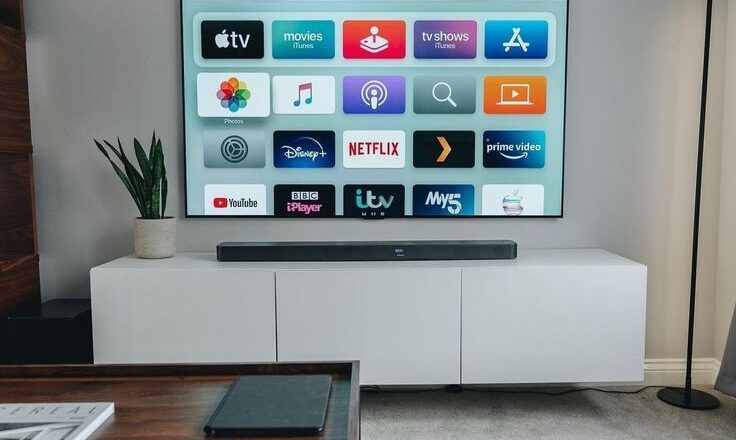
Meanwhile, archival restoration projects are bringing forgotten classics back to life, reminding us that film history is not static—it’s a living conversation between past and present. Streaming services now curate retrospectives alongside new releases, allowing Gen Z audiences to discover Ozu, Satyajit Ray, or Kathleen Collins with a single click.
Film festivals, too, are evolving. Beyond glitz, many now prioritize accessibility, sustainability, and community engagement—hosting screenings in refugee camps, rural schools, and even prisons. Cinema, once seen as elite entertainment, is becoming a tool for inclusion.
Just as stories cross borders on screen, collaboration thrives across industries off-screen. To learn how global partnerships foster innovation beyond the frame, visit https://www.bananaimporter.com/contact/.
Because in the end, every great film—like every meaningful venture—begins with a simple question: What if?